EFT, or Emotional Freedom Technique, is the most widely used form of energy psychology. It is a psychophysiological intervention that combines cognitive and somatic elements to support emotional healing and regulation.

Cognitive Component: EFT incorporates techniques from cognitive behavioral therapy (CBT) and prolonged exposure therapy (PE). These may include awareness building, imaginal exposure, cognitive reframing, pre-framing, and systematic desensitization.

Somatic Component: The somatic aspect of EFT involves tapping on specific acupuncture points on the face and body, using the fingertips. This method is rooted in Eastern healing traditions and is why EFT is often called “tapping.” While tapping, you acknowledge and accepts how they feel about a particular issue.

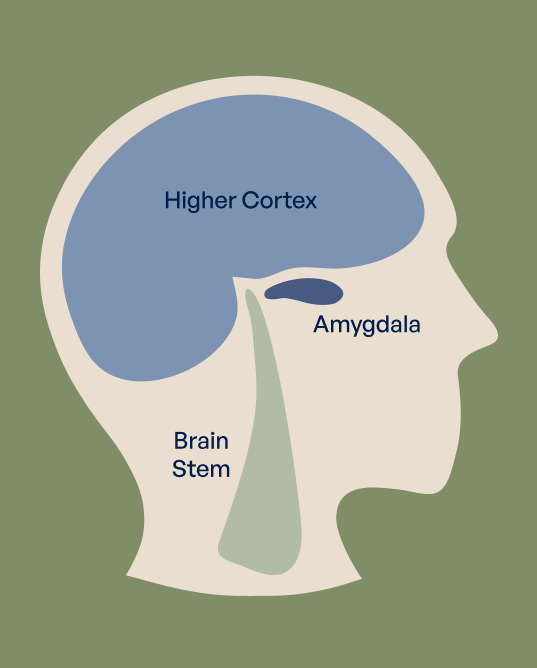
Working With the Subconscious: As you focus on painful emotions or physical symptoms, EFT may surface negative memories that can be gently addressed. Tapping on the acupuncture points sends a calming signal to the amygdala —the part of the brain that governs the “fight or flight” response—encouraging relaxation and helping to shift perception.

Benefits of EFT

  • Proven Results: EFT is gaining recognition as a scientifically supported therapeutic approach. Randomized clinical trials and meta-analyses have shown its effectiveness in treating post-traumatic stress disorder (PTSD), anxiety, depression, stress, phobias, and chronic pain. It is used in hospitals, private practices, schools, and other settings around the world. Recent findings show that EFT significantly reduces PTSD symptoms and related conditions, including anxiety and depression.

  • No Need to Analyze the Past: Unlike traditional talk therapy, EFT does not require deep analysis of past events. Instead, it focuses on releasing the energetic charge associated with negative emotions. Many people find that EFT shortens the therapeutic process, bringing relief in weeks or months rather than years.
  • Accessible and Versatile: EFT can be used to address nearly any emotional or physical issue. Often, working on one area leads to improvements in others—even those that seem unrelated. You frequently report unexpected, positive side effects as part of their healing journey.

How EFT Works

Research on gene expression indicates EFT has the ability to down regulate genes associated with the stress response, and improve immune functioning. EFT has been shown to significantly lower cortisol levels, which is the stress hormone.

The Science Behind Tapping

The mechanisms behind EFT include deactivation of the amygdala (stress centre in the brain) and hippocampus (memory centre), as well as vagal tone improvement.

The Role of the Amygdala

The amygdala is a small, almond-shaped part of the brain responsible for detecting threats and preparing us for emergency responses. It plays a key role in emotion and behaviour.

The amygdala is activated by fear and cannot distinguish between past, present, or future danger—so it often responds to memories or triggers as if the threat is still happening.

For example, someone bitten by a dog as a child may react with fear to all dogs, even if they are safe now. This automatic response is the amygdala doing its job, but it can become disruptive in daily life. EFT helps calm these responses by signalling safety to the nervous system.

The mechanisms behind EFT include a reduced activation of the amygdala (the brain’s stress center), calming of the hippocampus (the brain’s memory centre), and improvements in vagal tone, which supports parasympathetic nervous system regulation.

Tapping With Kids

Today’s children and teens face overwhelming stress from screens, school pressure, social media, bullying, family challenges, and more. These emotional pressures can manifest as anxiety,
low self-esteem, emotional outbursts, health issues, or even suicidal thoughts.

Tapping Can Help Children With

  • Fear
  • Trouble sleeping
  • Bullying
  • Exhaustion
  • Exam and performance anxiety
  • School events and transitions
  • Goal setting
  • Parents’ divorce or separation
  • Loss of a friend or loved one
  • Trauma, including physical or emotional abuse

Tapping With Your Child

Tapping with your child can be a rewarding experience that strengthens your bond. It offers a calming, practical tool you can use together to support emotional regulation and healing. Giving your child focused attention while tapping creates a safe space to learn more about their emotional world—and to help them feel seen and supported.

EFT is easy for kids to learn and use on their own.

Children naturally live in the present moment and often respond quickly to tapping. Their brains are adaptable and open to new ideas, which helps them let go of limiting beliefs more easily than adults.

Understanding Brain Development in Children

The human brain is about 25% developed at birth and reaches 90% development by age 3. During this period, a child’s brain creates 700 to 1,000 new neural connections every second. By age 3, the brain forms nearly 1,000 trillion connections between neurons.

Because a child’s cortex—the rational part of the brain—is not fully developed, emotions are more intense and harder to regulate. That said, children may understand complex situations better than we expect, but their limited vocabulary often makes it difficult to express their feelings. They are often more comfortable expressing themselves through physical sensations or body language.

Early experiences shape brain development. Just like the foundation of a house, a strong start leads to healthy emotional and cognitive growth. Adverse experiences early in life can affect a child’s brain architecture, with impacts that may last into adulthood.

Practical Tips for Tapping With Children

  • Help them feel safe and heard. Mirror their emotional tone and create rapport.
  • Use simple language and short sentences. Metaphors and imaginative play can help.
  • It’s okay if they don’t want to talk—just let them tap.
  • Use a stuffed animal or doll for tapping if they don’t like tapping on themselves.
  • Be playful, patient, and nonjudgmental.
  • Avoid reacting negatively to strong emotions or difficult words they may express.

Tapping in the Classroom

I completed the “Tapping in the classroom” training course created by by Dr. Peta Stapleton.
The certification gives an effective tool to help children overcome stress, anxiety
and behavioural challenges.

Frequently Asked Questions

How long is a session?

Sessions are 60 minutes and available either in person or online via Zoom.

What happens during and after a session?

During a session: You may be holding an unconscious thought or unresolved trauma that anchors a negative emotion, limiting belief, or recurring pattern. Tapping helps release and clear these blocks, allowing you to return to a more balanced state.

You are guided through several aspects of your issue. During this process, new thoughts, physical sensations, or emotional responses may arise. These are often linked to the root cause—even if you doesn’t consciously recognize the connection.

After a session: You may experience additional benefits, sometimes unrelated to the original issue they worked on. This is part of the beauty—and proven effectiveness—of energy psychology.

What happens between sessions also matters. Ongoing personal practice helps reinforce new patterns and supports long-term change. That’s why I may offer tapping suggestions for you to use on your own between sessions.

Can I practice EFT on my own?

Yes! I encourage you to tap between sessions. When practicing on your own, ask yourself: “Am I being specific enough about the issue I’m tapping on?”

The more specific you are, the better EFT works.

For example:
Instead of “My brother made me angry,” try “I was angry because my brother broke my computer.”
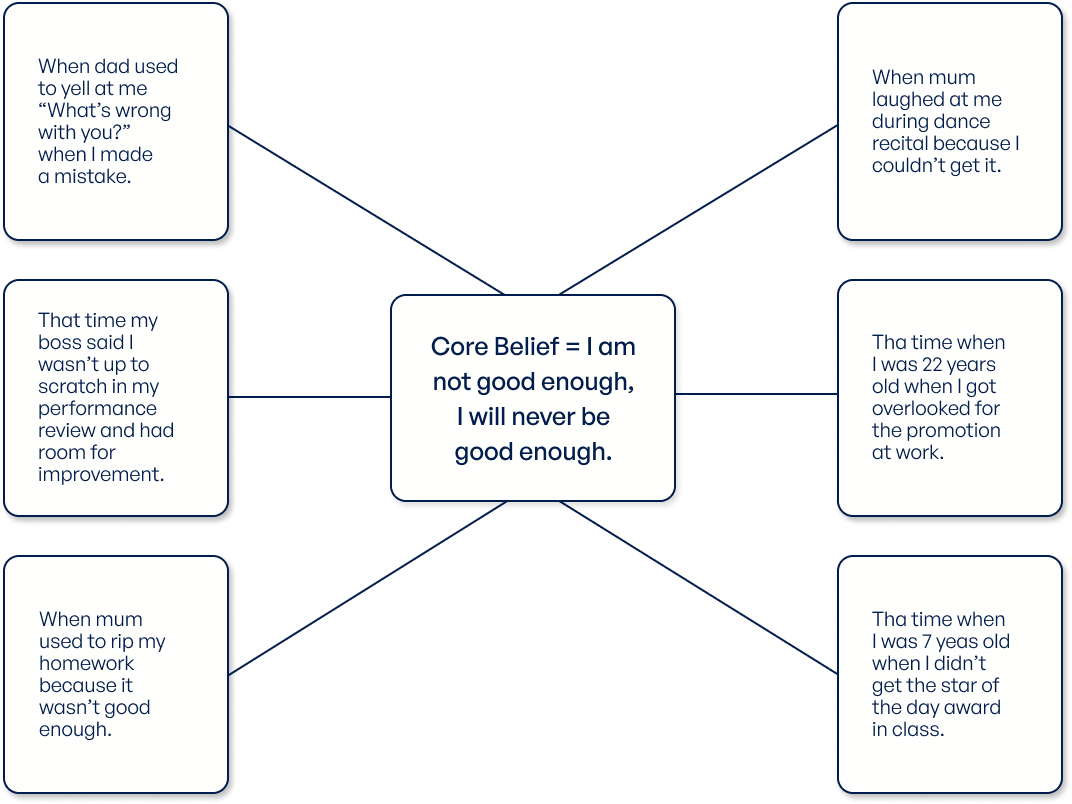
Each issue is like a puzzle. Each emotional or physical layer is a piece—known as an “aspect.”

Ask yourself:
•Is there another aspect of the puzzle I haven’t addressed?
•Are there other emotions or parts of the event I may have forgotten?
•Am I holding on to a particular emotion? (Remember: what resists, persists.)

Example: