TRE®, or Tension and Trauma Release Exercises, is a
body-based technique developed by Dr David Berceli .

It gently and safely helps the body release deep muscular patterns of stress, tension, and trauma held in the body due to traumatic experiences or chronic stress.

TRE® is grounded in the understanding— supported by research—that stress and trauma are both psychological and physical. The exercises offer an opportunity to release tension and reduce its long-term impact.

TRE® is simple to learn, immediately effective, and empowering. It’s suitable for people of all ages and fitness levels, often leaving practitioners feeling relaxed, energized, and more at ease.


About David Berceli

David Berceli, Ph.D., is an international expert in trauma intervention and conflict resolution. Much of his work has focused on stress and post-traumatic stress disorder (PTSD). His research shows that, like other mammals, humans have a built-in self-regulation system that includes a tremor mechanism. Unfortunately, modern lifestyles often suppress this natural response.

Trauma is primarily an instinctive physical reaction.
When faced with trauma, the body undergoes neurological
and biological changes to cope and adapt. Berceli,
who spent significant time working in war zones, often observed people—especially children—trembling during and after bombings.

Inspired in part by Dr. Peter Levine’s work in “Waking the Tiger”, Berceli turned to research on animals.

Studies show that animals who tremble after trauma are more likely to survive. The same principle applies to humans—tremoring helps release stored stress and return the body to a state of balance.

What Makes TRE® Unique?

During TRE®, gentle tremors naturally spread throughout the body, move up the spine, releasing deep chronic tension from the sacrum to the skull. This reduces stress signals and lowers the production of stress hormones. With continued practice, these tremors help release tension stored over a lifetime. They often feel pleasant, calming, and restorative. After a session, many people describe feeling lighter, more peaceful, or even energized.

Once you learn the technique and feel confident using it, you can perform the stretches more quickly—or even activate tremors while resting, without stretching. This can help release tension accumulated throughout the day.

Animals & Humans Share This Mechanism

After escaping a predator, animals like impalas tremble to expel stress and reset their nervous systems. Once the danger passes, they return to their herd without lingering trauma. Living in the African bush, I’ve witnessed this firsthand—and it’s remarkable.

Unlike animals, humans often suppress this natural mechanism. We over-rely on the mind to control our responses, leading to the build-up of unresolved stress in the body. This can contribute to PTSD, anxiety, and chronic health issues.

When energy can’t flow freely, it may result in long-term physical and emotional conditions such as digestive problems, sleep disturbances, fatigue, depression, memory loss, and lowered immunity.

The good news? Recovery from stress and trauma is hardwired into us. This primal healing process—shared with all mammals—is activated by the autonomic nervous system, which triggers neurogenic tremors to release built-up energy. Children often do this spontaneously because they are less conditioned to suppress it.

The Psoas Muscle: Core to TRE®

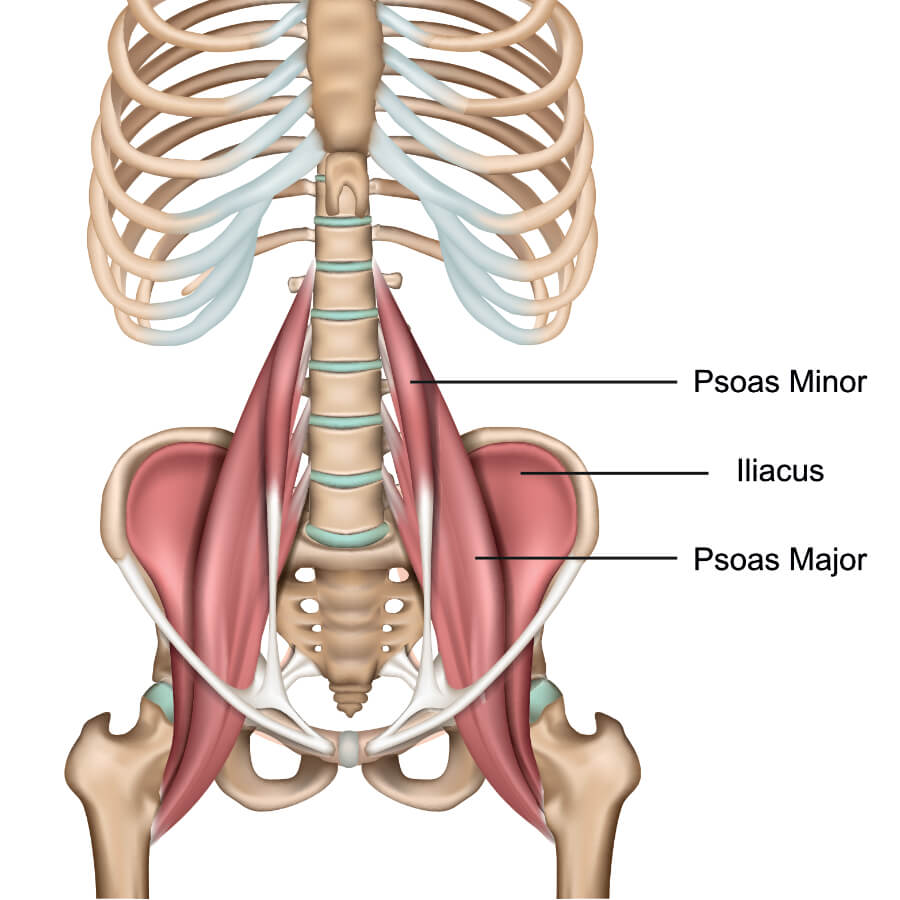
At the center of the TRE® practice is the psoas muscle, sometimes referred to as the “soul muscle.”

This deep muscle, located at the base of the spine, is responsible for drawing us into a fetal position during moments of threat. It protects the body’s most vulnerable areas—those targeted by predators.

Whenever you experience trauma or emotional shock, your psoas contracts to shield you. This reaction is controlled by the autonomic nervous system as part of your instinctive self-protection. Over time, tension builds here and in surrounding muscles.

TRE® stretches are designed to activate the psoas and allow these tremors to begin. The tremors typically originate in the pelvis and move throughout the body, releasing deeply rooted muscular tension. As a result, the body returns to a state of calm and safety.

About the Psoas Muscle & Iliacus

The psoas and iliacus muscles link the back with our pelvis and legs. They are deep muscles that attach to the lumbar vertebrae and run down to the femur. Located where your pelvis meets the front of your thigh, they enable flexion of the leg joint. In particular, they enable you to lift your leg up and forward! They are also one of the main hip flexors.

The psoas contributes to
  • Structural balance.
  • Standing posture.
  • Walking and body fluidity in movement.

Under the influence of danger, the muscles around our skeleton contract, a mechanism that allows our body to curl in on itself and protect the belly from potentially fatal injury. Once the danger has passed, the muscle releases
its tension.

Our Psoas: The Soul Muscle?

Nicknamed the “soul muscle’, the psoas reflects our state of mind through its connection to the diaphragm. It is intimately connected to our respiratory rhythm, and therefore to our emotional state, as well as to the brain stem, better known as the “reptilian brain”.

The iliacus responds to our fight-or-flight instinct, and is comparable to a sentry protecting the body’s centre of gravity. It is one of the muscle groups that protects us during a dangerous event. When contracted, or even injured, the iliacus often gives rise to severe back pain.

The spinal erector muscles pull the body backwards in an attempt to return it to an upright position. By pressing on the lower vertebrae from two sides, these two opposing tensions compress the lumbar spine.

If continued over an extended period of time, such compression can be damaging. In addition, muscular traction will eventually cause secondary pain in the shoulders and neck.

Benefits of TRE®

  • Reduced stress, anxiety, and fear
  • Decreased PTSD symptoms
  • Improved sleep
  • Increased energy and stamina
  • Enhanced digestion
  • Relief from chronic pain
  • Emotional regulation and fewer reactive patterns
  • Better social connection and engagement
  • Healing of long-standing emotional or physical wounds
  • Lowered chronic inflammation

Is TRE® Right for You?

TRE® is a natural response governed by the autonomic nervous system. It uses five easy-to-learn stretches that are accessible to everyone, regardless of age or fitness level.

Originally developed for people exposed to high-stress environments—military personnel, emergency responders, survivors of violence, or disasters—TRE® is now widely
used by anyone seeking relief from stress. 

Whether your stress is daily, chronic, or trauma-based, TRE® is a simple and powerful way to release what your body is holding.

Frequently Asked Questions

What Does a TRE® Session Look Like?

A session lasts between 50 and 60 minutes.

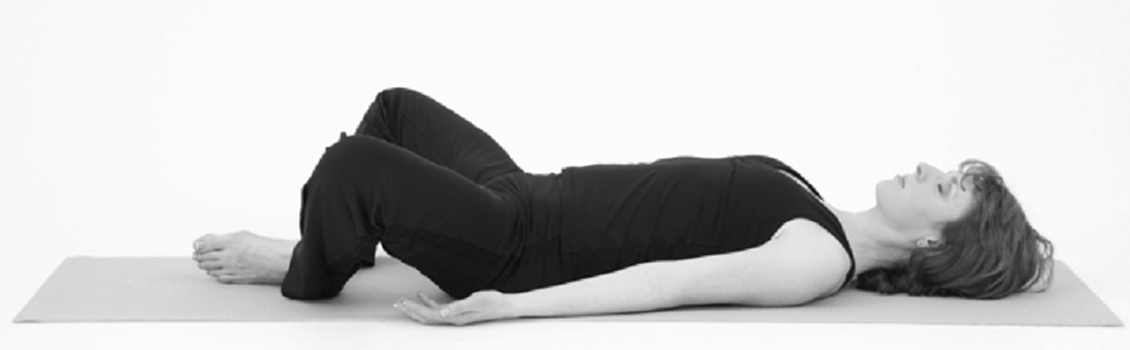
TRE® involves a series of five stretches specifically designed to activate a natural tremor mechanism in the body. This tremor response originates in the autonomic nervous system and is closely linked to the psoas muscles. It’s a primitive, self-regulating reflex that allows the body to discharge excess stimulation and return to a balanced, calm state—also known as homeostasis.

After 15 to 20 minutes of guided stretching, you’ll move onto a mat, where I will gently guide you through the tremoring process. This phase typically lasts about 20 minutes, followed by 10 to 15 minutes of quiet rest and integration.
TRE® sessions focus entirely on your body and its sensations. The tremors emerge naturally and release tension wherever it’s needed most. One of the core principles of TRE® is simple: observe what’s happening—and stay curious.

How Many Sessions Do I Need?

A minimum of six to seven sessions is recommended to experience the full benefits of TRE®.

TRE® is designed as a self-help tool. Once you’ve learned it with a certified facilitator, you can continue to practice on your own to support your health and well-being. It usually takes a few sessions to feel confident using the method independently. After that, you may choose to return for additional sessions if blockages arise in your personal practice.

Please note: TRE® is not a replacement for medical advice. It does not provide diagnosis or prescribe treatment.

Are There Any Side Effects?

TRE® typically leaves you feeling calm, relaxed, and re-energized. You may also feel a bit tired afterward, which is part of the body’s natural rebalancing process. There are no known negative side effects following a TRE® session.